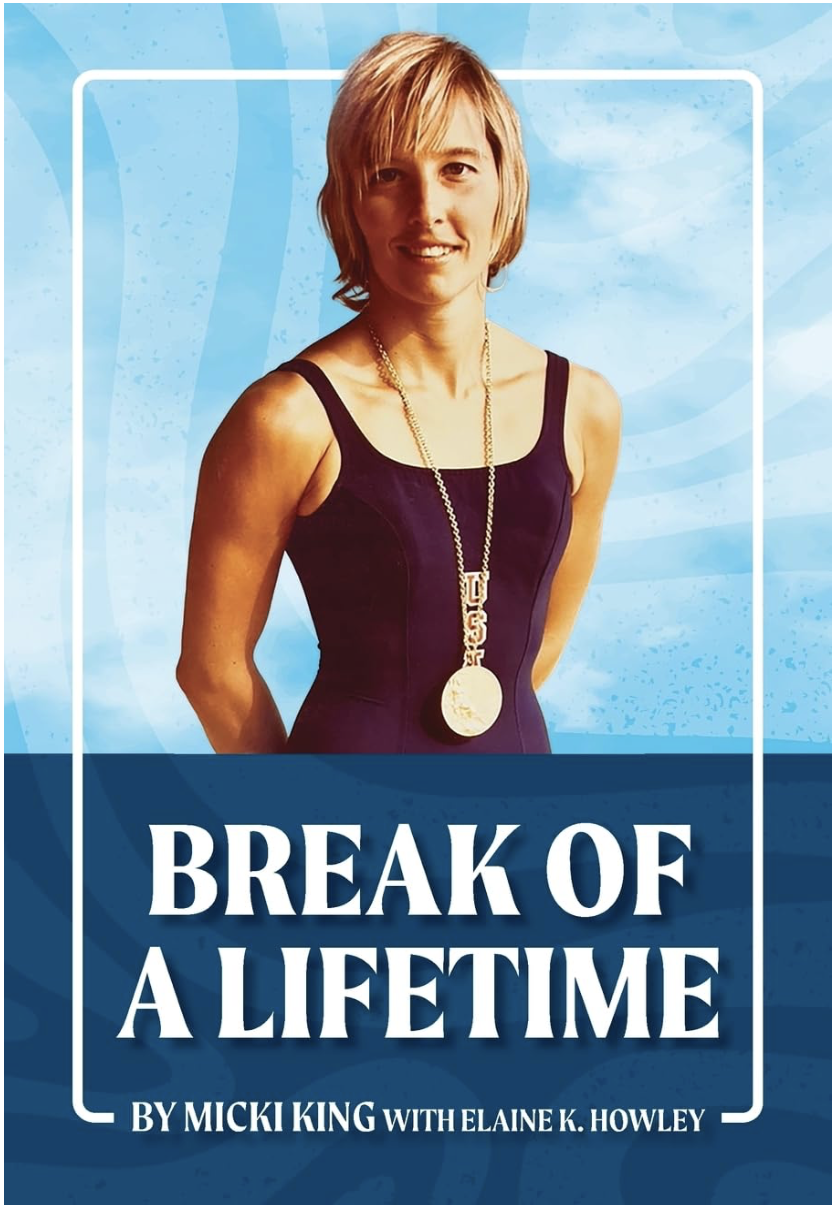

Winner: 2026 Buck Dawson Authors Award
Presented by the International Swimming Hall of Fame for ghostwriting “Break of a Lifetime,” Micki King’s Olympic diving memoir published by CG Sports Publishing.
The award is presented to the author of an aquatics-related book for which the book’s content has had a profound educational or entertaining impact on the aquatic disciplines or population in general.
Now Available From
CG Sports Publishing
Order your print edition or ebook via Amazon
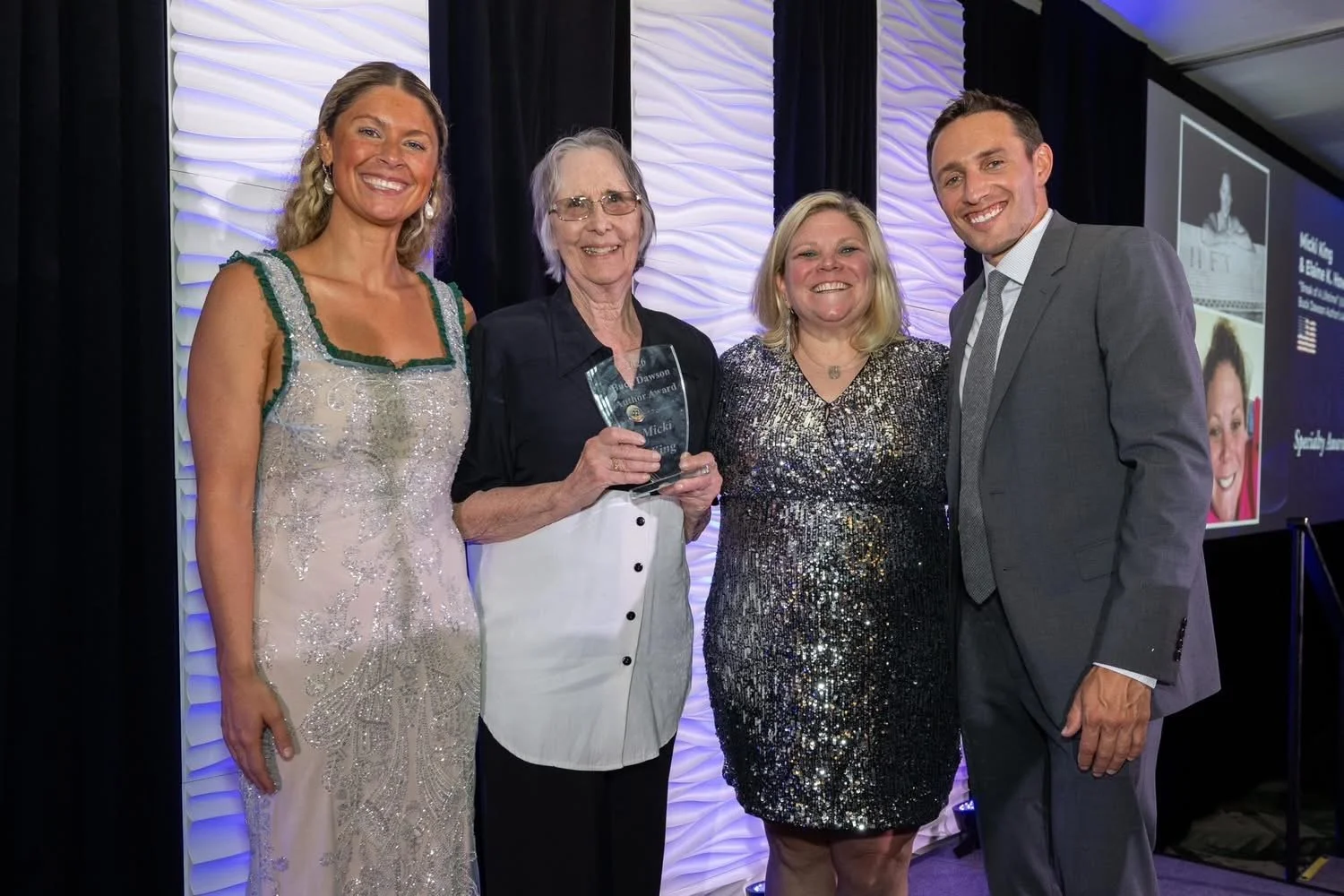
Elizabeth Beisel, Micki King, Elaine K. Howley, and Sam Dorman at the 2026 Internationl Swimming Hall of Fame Specialty Awards presentation, May 15, 2026
All Because of Diving
In 1968, 24-year-old Maxine "Micki" King stood atop diving's biggest stage poised to claim the gold medal in the women's 3-meter event. She'd led for the entirety of the competition, but on the 9th of 10 dives, disaster struck and she finished in 4th place.
But destiny - and diving - was far from done with King, who went on to claim that gold in the 1972 Munich Games while pioneering a new leadership model for women in sports, the military, and public life.
In this inspiring recitation of her journey from suburban Michigan to the White House and beyond, King shares her tale of breaking boundaries and supporting athletes' rights across the full spectrum of Olympic sports.
While King's story is all because of diving, it isn't just about diving; it's about persistence, principle, and paving the way for others to achieve their fullest potential.
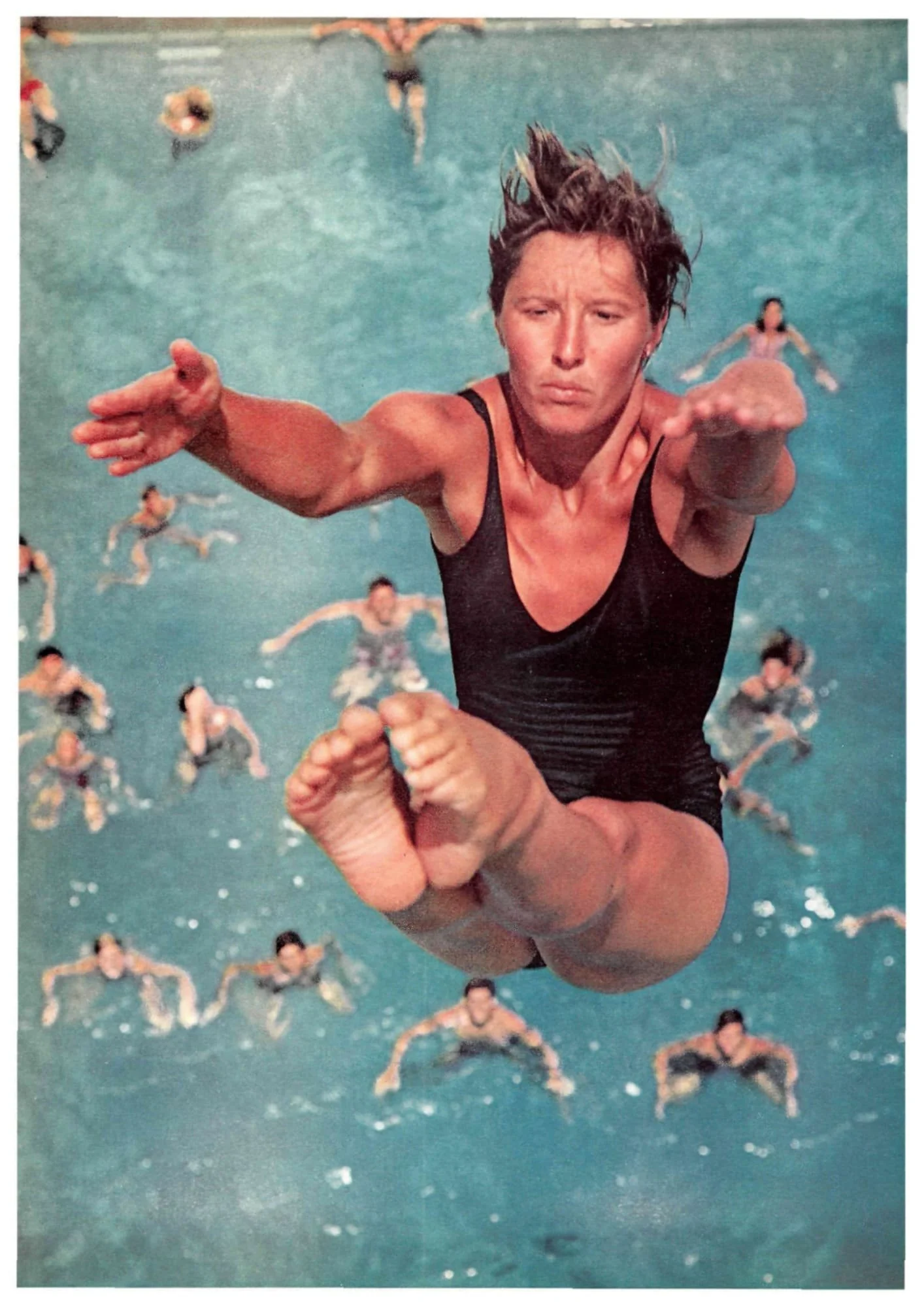
Pan American Games Trials, June 1971, Tallahassee, Florida by Neil Leifer (Photo by Neil Leifer/Sports Illustrated via Getty Images)
About the Authors
Micki King
Hailing from Pontiac, Michigan, Maxine “Micki” King showed an early aptitude for diving and attended the University of Michigan where she trained with legendary diving coach Dick Kimball. A top AAU competitor in the pre-Title IX era, King led the women’s springboard diving event at the 1968 Mexico City Olympic Games when she hit her arm on the board during the 9th of 10 dives. With her left forearm fractured, she finished the contest in 4th place and assumed that was the end of her Olympic dream.
But as an officer in the U.S. Air Force, King was able to continue her love affair with diving. She qualified for the 1972 Olympic Games in Munich where she dominated the 3-meter springboard competition and claimed the gold medal that had eluded her four years prior.
After her Olympic success, King turned her attention to supporting other athletes, especially women, by helping pioneer the Athletes’ Advisory Council. The AAC worked to give Olympic athletes a voice and vote going forward. Her involvement in supporting athletes’ rights also led her to serve on the U.S. President’s Commission on Olympic Sports (led by fellow Michigander President Gerald Ford) and pushing for the passage of the Amateur Sports Act of 1978.
King was a groundbreaker in many realms and was the first female staff member at the Air Force Academy in Colorado. There, she became the first woman to coach a male athlete to an NCAA title. She retired from the Air Force in 1992, having attained the rank of Colonel, and went on to serve as assistant athletic director at the University of Kentucky.
King gave back to diving and sports in general throughout her life via her work with the AAC, the Women’s Sports Foundation, and as president of USA Diving from 1990 to 1994. She was inducted into the International Swimming Hall of Fame in 1978.
Elaine K. Howley
Elaine K. Howley is an award-winning freelance journalist and editor based in Boston, Massachusetts. A southern New Jersey native, Howley holds a bachelor’s degree from Georgetown University and a master’s degree in publishing and writing from Emerson College in Boston.
Specializing in sports, health, and history topics, Howley previously served as publications manager for U.S. Masters Swimming and managing editor of SWIMMER magazine. Her freelance work has appeared in TIME, U.S. News & World Report, AARP.org, espnW, and many others. Her first book-length memoir ghostwriting project, A Life Aloft, completed with Tom Gompf and published by CG Sports Publishing in 2021, was awarded the 2023 Buck Dawson Authors Award from the International Swimming Hall of Fame.
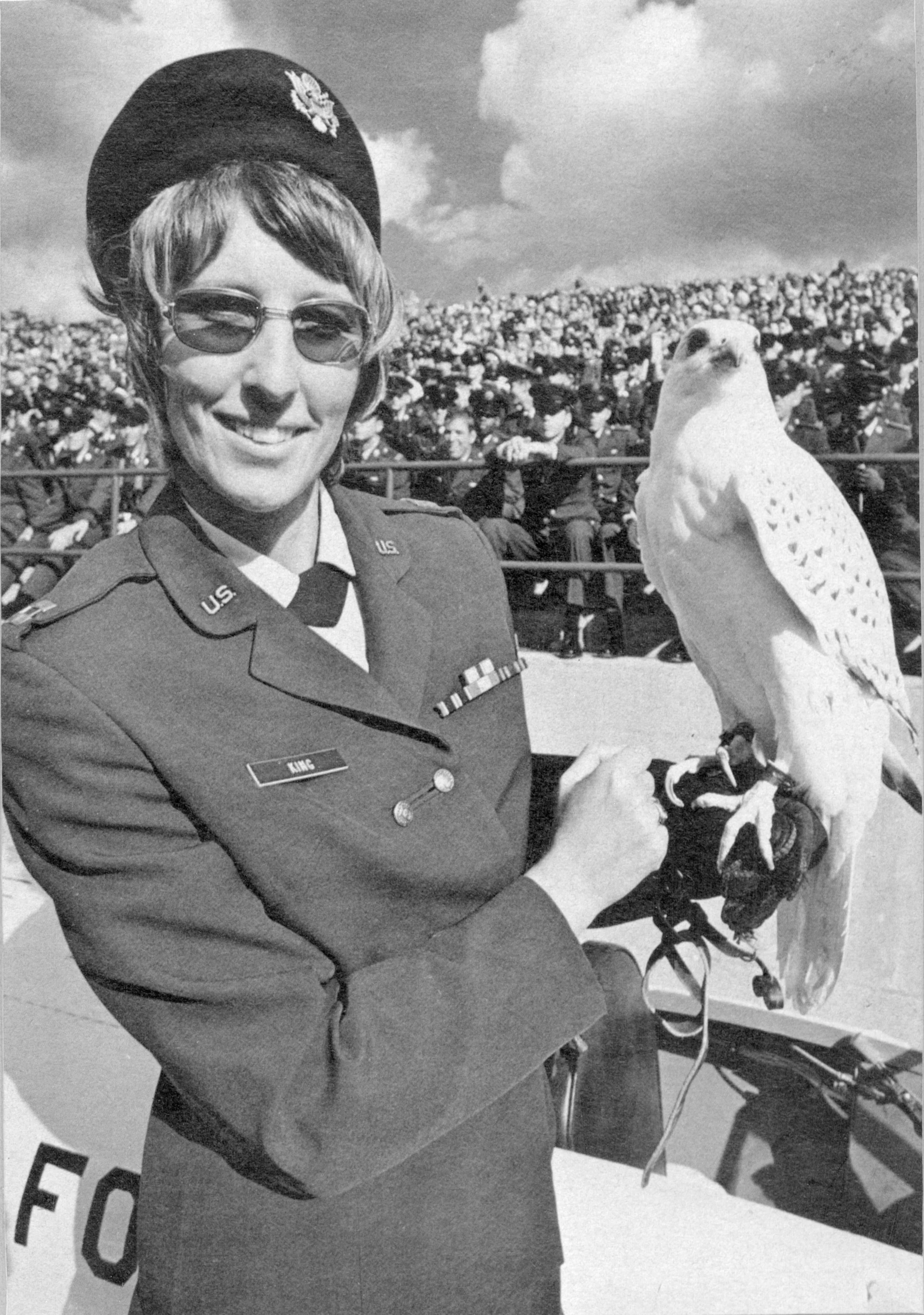

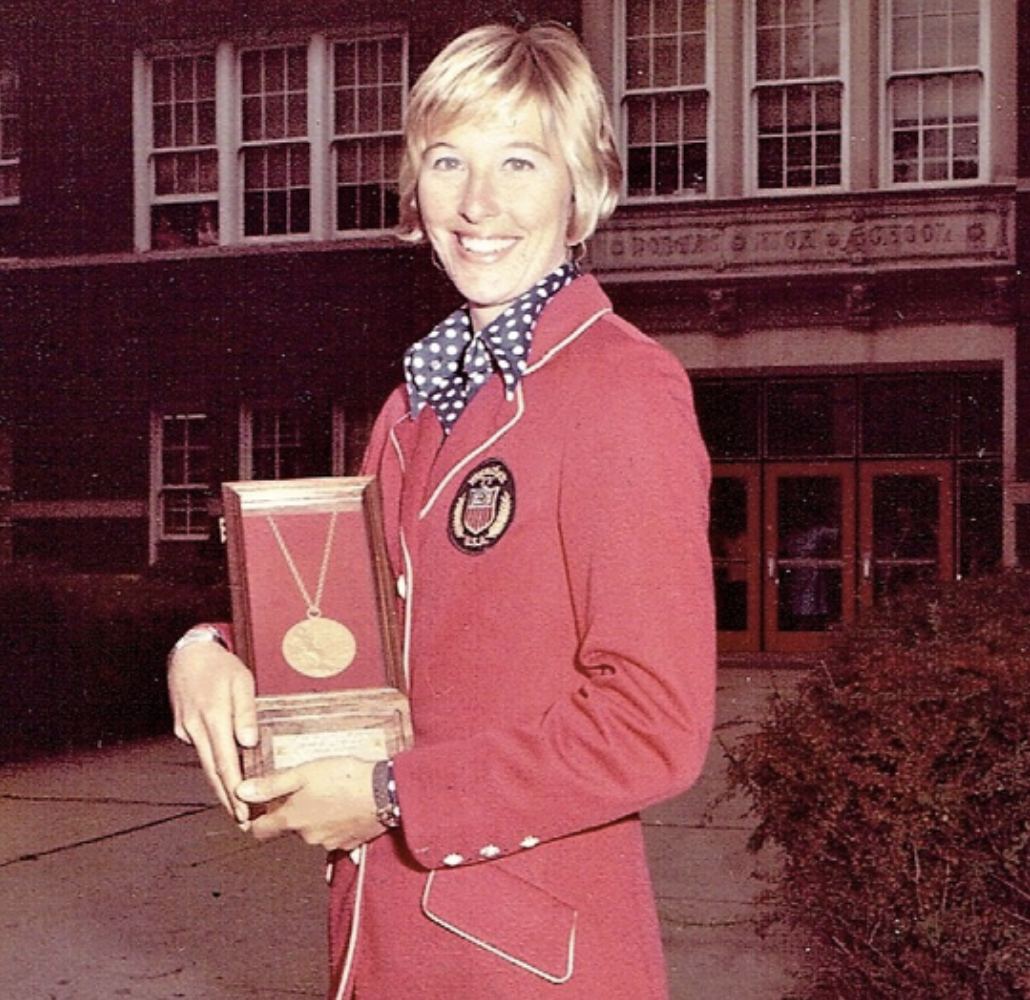
Micki King, 1972 Olympic gold medalist in women’s 3-meter springboard diving